


We’ve all got emotional and mental baggage—those subtle impressions from past experiences that shape how we think, feel, and behave. In yoga, we call them Samskaras. They’re like grooves in the mind, formed by repetition—whether it’s a thought, a reaction, or an emotion we’ve clung to. Over time, these grooves deepen, and we end up stuck in cycles that feel hard to break.
But here’s the good news—yoga isn’t just about physical flexibility. It’s a complete system designed to free us from these old patterns and help us respond to life with more clarity and calm. The real work happens not on the mat but in the quiet spaces of the mind and breath, where Samskaras begin to loosen their grip.
Modern research backs what ancient yogis already knew. Practices like mindful breathing and meditation can literally rewire the brain. A 2023 study published in Frontiers in Psychology found that just eight weeks of consistent breathwork and meditation reduced emotional reactivity by over 40% in participants. That’s huge, especially in a world where stress and overstimulation are the norm.
Let’s be real—most of us carry emotional baggage. Ever reacted strongly to something small, and thought, “Where did that come from?” That’s likely a Samskara at work—those deep-rooted mental and emotional patterns that shape our reactions, thoughts, and behaviours.In yoga, we’re not just twisting into cool poses—we’re learning how to clean up the mind and drop those old stories. Think of it as doing a spring clean of the soul. Below are 15 practical yogic ways to start letting go of those Samskaras and make space for clarity and peace.
The development of sattva, a condition of inner tranquilly and harmony, is one of yoga’s primary goals. The most frequent way that our sense of inner calm is tested is when we engage a samskara, or unconscious mental and emotional pattern. The main reason for a lot of our suffering as humans is samskaras.
Let’s find out how the experts of yoga in castle hill can help to remove samskaras.
Dhyana (meditation)
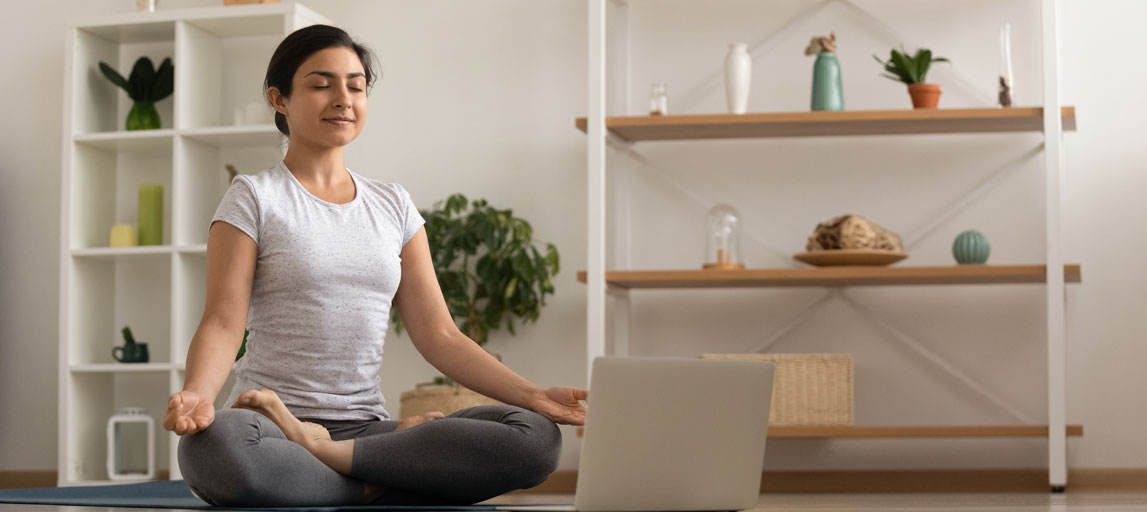
The practise of meditation strengthens the mind and connects you with your inner self while enhancing awareness, attention, and insight. Regular meditation helps your brain physically change by forming new neural pathways. You can learn to recognise your thoughts and emotions before acting on them by regularly practising meditation. The cycle can be broken and these behavioural patterns can be gradually softened using this awareness.
Svadhyaya (self-reflection and self-study)
You can use reflection and inquiry as methods to discover the origins and deeper significance of your habitual patterns. They assist you in identifying and eliminating the narratives that skew your view and decision-making.
Pranayama (breathing exercises)
Both on and off the yoga mat, pranayama can help you control your breathing. Deeply calming and centred states are produced by controlled breathing. You can examine your thoughts and emotions without responding or becoming overwhelmed by them by deliberately invoking a quiet condition.
Asana (yoga poses)
You learn how to focus your energy through yoga positions, which can aid in anxiety and stress relief. You gain strength, flexibility, and balance through the asanas on a physical, mental, and emotional level. Consistent asana practise aids in creating a sturdy framework for observing and containing powerful energy and emotions.
Vairagya (detachment)
You can become detached from your needs, drives, and unconscious cravings by engaging in the yogic practise of detachment. You are less likely to act out and maintain bad behaviour patterns when you learn to distance yourself from external stimuli and internal reactions. You can take a step back and view your circumstance from a wider or alternative viewpoint when you are detached.
Mudras (gestures)
Hand motions known as mudras can help you focus your energies and direct your attention. Positive thoughts, concepts, and emotions are created and symbolised with these gestures. A powerful method for changing your energy from a negative to a positive condition is the mudra.
Mantra (chanting)
You can learn concentration and focus using this meditation technique. By playing these sacred sounds repeatedly, you can deepen your relationship with God and build new neural connections in your brain.
Karma yoga (yoga of selfless action)
Karma yoga teaches you how to carry out good deeds and lead a kind and compassionate life. Positive samskaras are created when you learn to direct your focus away from your ego and toward serving others and living your dharma (life’s purpose).
Niyamas (personal codes of conduct)
The five internal niyama practises serve as the yogi’s internal body, mind, and spirit environment’s moral compass. Niyama gives us the self-control, humility, and inner strength we need to advance on the yoga path while also assisting us in maintaining a healthy environment in which to thrive.
Yamas (ethical guidelines or vows)
Ahimsa (non-harming), satya (honesty), asteya (non-stealing), brahmacharya (celibacy), and aparigraha (non-possessing) are the five yamas. You can defeat the typical samskaras of wrath, greed, lust, jealousy, pride, envy, hatred, and fear by consciously putting the Yamas into practise in your daily life.
Pratyahara (withdrawal of senses)
Your ability to detach triggers from the outside world and bring calm and attention to your inner world is improved by actively bringing the energy of your senses within. By withholding your senses, you can lessen or even eliminate the energy and severity of these emotions because the majority of samskaras are brought on by external stimuli.
Tapas (austerity)
Tapas is the ferocious intensity of will strength that fuels our thought processes and upholds the discipline necessary to alter and transcend samsaras. Every time we are able to stop ourselves from indulging in a destructive behaviour pattern, we keep a concentration of inner power.
Bhakti (devotion)
You can widen your heart and become more self-aware with devotion. Bhakti yoga removes bad ideas and feelings with love, compassion, and dedication, making it a potent method for forming positive samskaras.
Sankalpa (intention)
When attempting to alter ingrained habits and behavioural patterns, it is extremely beneficial to have clear and concentrated aims. Intentions serve as a roadmap for how to proceed and maintain focus during your practise. They may serve as crucial reminders of your true desires.
Sadhana (practice)
Sadhana is the name for yoga’s everyday practise. Setting a goal, committing to it, and carrying it out with consistent practise are the first steps in a sadhana. This committed daily practise develops the skills and tools necessary to remove negative samskaras while strengthening beneficial ones.
Wrap-Up
You don’t need to escape to the Himalayas to break old patterns. All it takes is awareness, intention, and small, daily effort. Yoga is a toolkit—and the more you explore it, the more you heal and transform from the inside out.
Ready to take the next step? Join our classes at Yoga with Yogi and start rewriting your inner story, one breath at a time.
To find out more about yoga and its best practices, visit https://www.yogawithyogi.com.au/.
